The Weaver Archetype
The Weaver pattern shows up as a preference to help a plan take shape rather than to hold the lead.
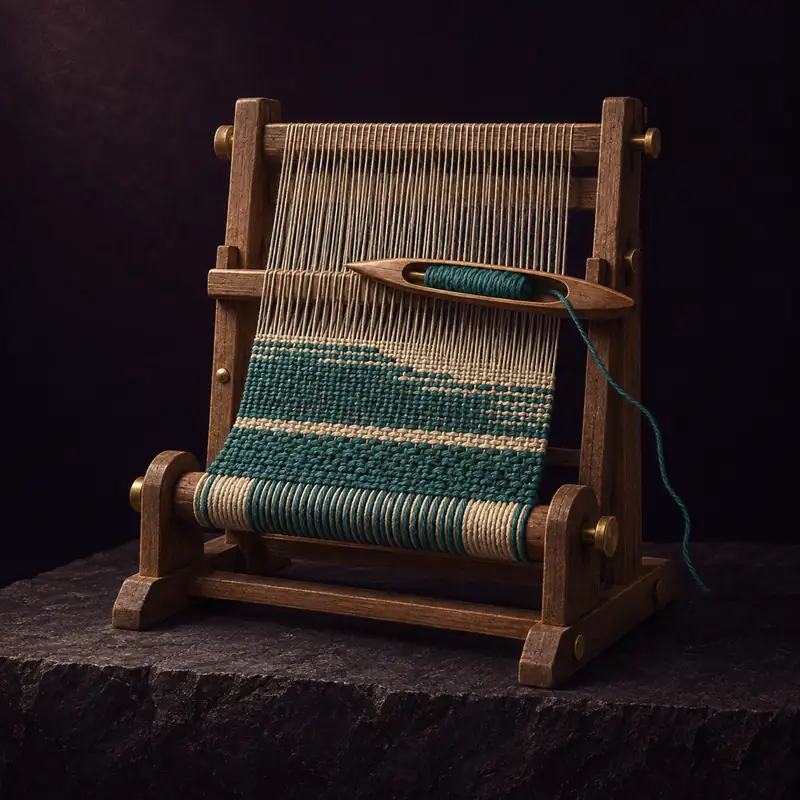
You strengthen a plan by helping it take shape, without needing to hold the lead.
What does The Weaver archetype mean?
Weaver energy is the low end of agency: waiting for others to set a way forward, offering help instead of command, and strengthening a plan from beside it. That is a style of contribution, not a lack of will.
People with a strong Weaver result often keep a group connected. They notice what a plan still needs and add it without taking the center.
How this pattern shows up
This pattern can look like drafting the details after someone else names the goal, or holding back until a direction is set.
It can also look like a group waiting for a call that never comes. The useful question is when your help is enough, and when the room actually needs you to step in.
- Strengthening a plan without taking the center
- Keeping a group connected
- Adding what a direction still needs
Motivation
You may be motivated by making a shared direction workable for everyone involved. Helping is an active choice here: connecting separate contributions, spotting a gap, or giving a promising plan the support it lacks. Your contribution does not become less valuable because another person announced the goal. Still, notice whether you actually agree with that goal. Collaboration is more honest when you can name both what you support and what you would change, without needing permission to have a view.
Under pressure
When a group is tense, you may wait for a confident voice before showing your own preference. This can allow useful listening, yet it can also make your needs hard to see. A possible blind spot is assuming that avoiding a clear position keeps everyone comfortable. Others may instead feel uncertain about what you want. Try stating a small, specific preference early. You can remain flexible while giving the group something real to respond to.
Relationships and work
With friends, you might connect two different suggestions into an afternoon that suits both people. Include your own wish in that arrangement instead of disappearing into the planning. In a team, your skill at supporting a lead can keep work moving, especially when roles overlap. Describe the piece you will own and what help you need. If nobody has set a direction, offer a temporary starting point and invite revision; collaboration does not require waiting forever for a leader.
Growth
A Weaver result is not a verdict that you cannot lead. The Forge side of the same axis is a nearby experiment: one clear plan, offered once, in a setting that can use it.
At the end of a shared task, name one contribution you made that would have been missing otherwise. Notice whether you chose to support the direction freely or felt unable to offer another one. That distinction can guide your next experiment. Weaver is not a box that confines you to helping roles; it is a way to examine how collaboration works when your own voice stays present in the group.
- At your next planning meeting, offer one clear next step before asking who will lead it.
- Choose a small shared decision this week, state your preference out loud, and ask the group to respond to it.
- Before accepting the next shared plan, say one thing you want included and one task you can realistically own; check later whether both were respected.
How The Weaver archetype differs from The Forge and The Pathfinder
Scroll sideways to see every column. With a keyboard, focus the table and use the left and right arrow keys.
| Core motive | What it looks like day-to-day | What it is NOT |
|---|---|---|
| The Weaver: you want a shared direction to work for the people living it | You fill the sign-up blank, ping the person who missed the time, and stitch two half-plans into one afternoon | Not a lack of will, and not a rule that you may never name a preference |
| The Forge: you want a stalled room to leave with one next step | You unmute, name a Friday, and give the first move an owner | Not a rank, not a diagnosis, and not proof that helping is beneath you |
| The Pathfinder: you want an untried door open even when the old way still works | You suggest the other neighborhood, the new tool, the unmapped weekend | Not restlessness as a flaw, and not the other pole of Agency — Pathfinder sits on Horizon |
The Forge shares your Agency axis: answers toward helping a plan lean Weaver; answers toward stepping in lean Forge. Pathfinder is Horizon, a separate axis. You can land Weaver as the dominant name this sitting and still score high on Pathfinder.
Commonly misread: 3 moments people get The Weaver archetype wrong
The shared doc after standup
The meeting names a goal and ends. You tidy the doc, add missing owners, and send the reminder. A teammate says, "You never take a stand. You just clean up." You were keeping the plan from falling apart overnight.
What is really going on: you made the direction usable. Put one preference in the next comment — "I'd rather ship the smaller form Friday" — so the help is not mistaken for having no view.
Cousins in the dinner thread
The family chat is stuck between Thai and Italian. You write, "Thai if Maya can do 7, Italian if we need the high chair — I can book either." A cousin replies, "Pick a lane." You were holding two constraints so someone could reserve a table.
What is really going on: you were weaving limits into one bookable night, not refusing to care. Add "I'd rather Thai" so your wish sits inside the weave.
The move and the packing list
Your friend is drowning in a move. You already have a packing list and hardware-store hours. They go quiet, then say, "I needed you to sit with the mess, not finish the logistics."
What is really going on: support arrived as a plan before the feeling had a chair. Ask first: list, boxes, or company? You can still own a useful task once they choose.
Closest classic archetypes
The Weaver sits nearest to the figures who strengthen a group. This is an editorial mapping, not a research finding. See the Jungian archetypes guide for sources.
- The Caregiver puts attention on helping and protecting others. The Weaver shares that supporting stance. The Caregiver's shadow is martyrdom, the risk when helping never stops.
- The Orphan wants belonging and a fair deal inside a group. A Weaver often feels the same pull toward shared strength, without the Orphan's sense of having been let down.
Adjacent types
Nearby patterns that can complement or balance The Weaver.
Other Loretype guides
Keep exploring
archetype quiz — Twenty-four statements and five axes, then a snapshot to try on.
The Forge — If naming the first move sounds more like this week than helping a plan take shape.
aura color quiz — Energy themes rather than story roles.