The Craft Archetype
The Craft pattern cares more about a solid finish than a bold start, and likes to complete each step before adding a new idea.
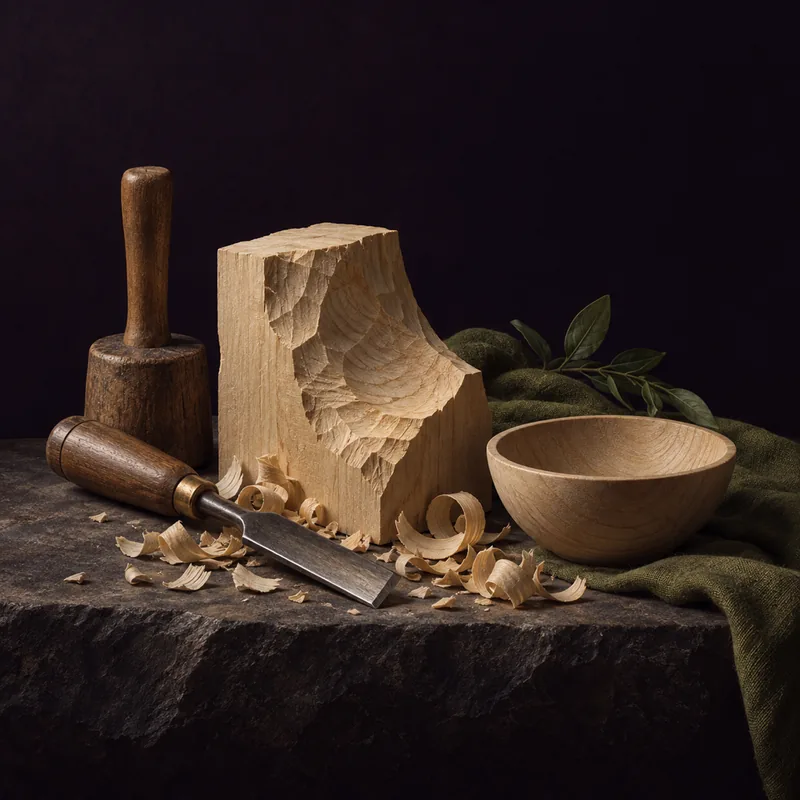
You care more about a solid finish than a bold start, and you complete one step before adding another.
What does The Craft archetype mean?
Craft energy is the low end of make: finishing, sequencing, and protecting the quality of what is already underway. That is a way of making, not a lack of imagination.
People with a strong Craft result often turn a sketch into something that can be used. They are useful when a project needs the last honest pass more than another new idea.
How this pattern shows up
This pattern can look like refusing to open a new draft until the current one is done, or taking pride in a clean ending.
It can also look like waiting too long to begin. The useful question is when a blank page is the next honest step.
- Turning a sketch into something usable
- Protecting the last honest pass
- Sequencing work so it can complete
Motivation
You may find satisfaction in making something dependable enough for another person to use. Finishing is more than checking a box: it can mean noticing the confusing instruction, testing a handoff, or repairing the small flaw that would otherwise interrupt someone else's day. This care gives an idea lasting shape. Ask what level of finish the situation needs. A rough demonstration and a frequently used tool deserve different amounts of polish, even when you care equally about both.
Under pressure
Under stress, you may hold work back until every detail feels settled. A possible blind spot is confusing an unfinished presentation with an unworthy idea. Waiting can remove the chance to learn from a real response. Decide which details protect basic usefulness and which are optional refinements. Sharing a clearly labeled early version can preserve your standards while making room for feedback. You do not have to pretend it is complete in order to let someone see it.
Relationships and work
In a relationship, following through on a promise may speak louder than a grand proposal. Check whether the other person wants reliable help, playful exploration, or simply company before turning every wish into a task list. At work, your attention to sequencing can prevent dropped steps. Make the finish line visible to teammates and explain what remains. When a new idea arrives, assess its value against that finish line rather than rejecting it solely because work is already underway.
Growth
A Craft result is not a rule against new ideas. The Spark side of the same axis is a small experiment: start one thing before every step is known, then bring your finisher's eye back to it.
Look at something you recently completed and separate the details people actually used from the refinements they barely noticed. Which part deserved your attention, and which could have waited? Use that information to set the next finish line. Craft is not a box that forbids improvisation. Your care for a usable outcome can also support an imperfect first attempt when feedback is the most useful next step in the work.
- Start a ten-minute rough draft this week before outlining all the steps, then mark what you learned by beginning.
- Choose one optional refinement on your current task and postpone it until someone has tried the usable version.
- Show one early version to a trusted person this week, name two unfinished details, and ask which detail matters most before doing your final pass.
How The Craft archetype differs from The Spark and The Beacon
Scroll sideways to see every column. With a keyboard, focus the table and use the left and right arrow keys.
| Core motive | What it looks like day-to-day | What it is NOT |
|---|---|---|
| The Craft: you want the piece in hand usable before you open another idea | You grout the wall, test the handoff, and close the ticket before you start a second board | Not a lack of imagination, and not a verdict that you cannot begin a rough draft |
| The Spark: you want a blank page to become a first try before every step is drawn | You open a new doc, sketch the concept in the first hour, and share a draft while the outline is still wet | Not the enemy of finish, and not a free pass to abandon every start |
| The Beacon: you want a thought in the room so others can join it while it is still forming | You speak the draft in standup before it is polished, and feel more yourself when the group can hear it | Not a rival finisher, and not the other pole of Make — Beacon sits on Presence |
Spark shares your Make axis: finishing-and-sequence answers lean Craft; beginning-and-new answers lean Spark. Beacon is Presence, a separate axis. You can land Craft as the dominant name this sitting and still score high on Beacon.
Commonly misread: 3 moments people get The Craft archetype wrong
The one-pager that stays almost
Monday a teammate needs a one-pager they can send by noon. You polish the last paragraph, then the footer, then the alt text. They ping, "Just send what you have." You were protecting the last honest pass, not hiding.
What is really going on: finishing felt like care. Label two details as optional, send the usable version, and keep the last pass for after they try it.
The birthday shelf still in the shop
You promised a handmade shelf. You sand one more time, then wait for a better stain. The birthday arrives with no gift. They thought you forgot. You thought it was not ready for someone to use.
What is really going on: a solid finish mattered more than a bold start, and the date still existed. Give the usable version tonight and name the last coat as a follow-up, so care is not mistaken for absence.
The kitchen that will not try the new recipe
Friends want to try a new sauce tonight. You say the current one is not done until the reduction is right. They hear a no. You were sequencing: finish this step before adding another idea.
What is really going on: you were protecting sequence, not refusing play. Let tonight be a ten-minute experiment, then bring your finisher's eye back tomorrow. Craft is how you like to make, not a ban on an imperfect first try.
Closest classic archetypes
The Craft sits nearest to the figures who finish what they start. This is an editorial mapping, not a research finding. See the Jungian archetypes guide for sources.
- The Warrior trains, practices and does not quit. The Craft's follow-through looks like that discipline applied to ordinary work.
- The Creator wants lasting work. The Craft supplies the careful finish that lasting work needs.
Adjacent types
Nearby patterns that can complement or balance The Craft.
Other Loretype guides
Keep exploring
archetype quiz — Twenty-four statements and five axes, then a snapshot to try on.
The Spark — If a blank page should become a first try more than the current step should close.
aura color quiz — Energy themes rather than story roles.